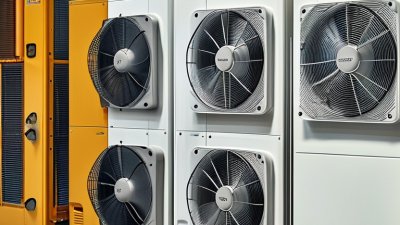
Picking the right Refrigeration Condenser is pretty important if you want your cooling system to work efficiently. There are tons of options out there, each with their own perks, so it can get kinda overwhelming. Big names like Carrier, Trane, and Lennox make some solid models, but honestly, the key thing is to match the condenser type to what you actually need.
So, here's the deal—market offers air-cooled, water-cooled, and evaporative condensers. Getting to know how each one works is super helpful. For instance, air-cooled units are usually simpler and easier to keep running. On the flip side, water-cooled systems can save you some energy if set up right. When you're choosing a condenser, you gotta think about cooling capacity, how efficient it is, and how tricky it is to install.
Honestly, knowing what you're doing makes a big difference. Picking the wrong condenser can end up meaning less efficiency and higher costs — nobody wants that. It’s a good idea to chat with HVAC pros; they can help you avoid costly mistakes. Doing so will keep your refrigeration evaporator running smoothly. If you pick the right one and take care of it, your Cold Room system will last longer and work better in the long run.
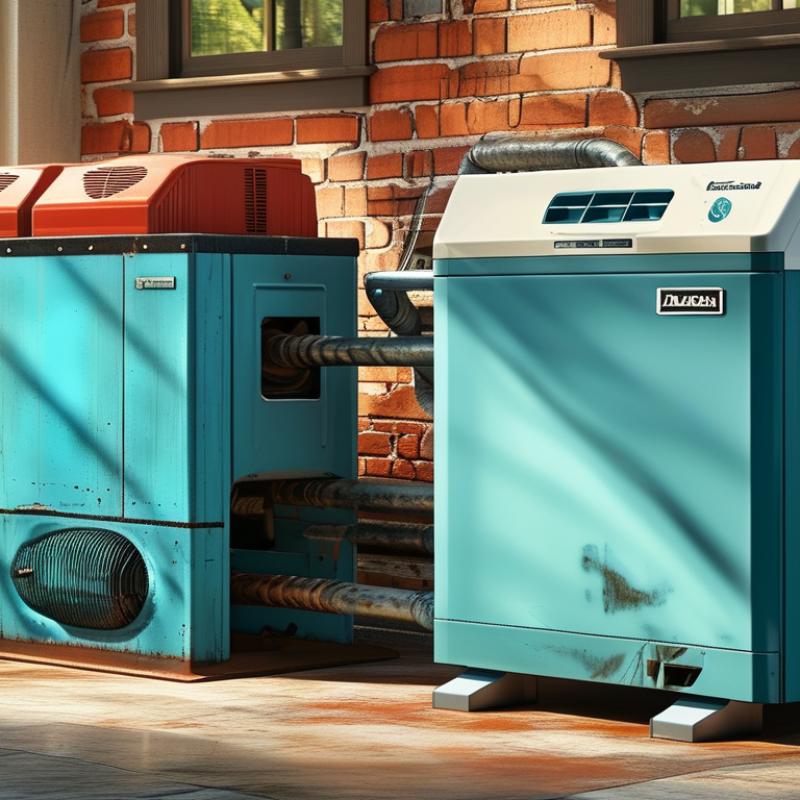
Types of Refrigeration Condensers: An Overview
Refrigeration Condensers are vital for efficient cooling systems. There are several types available, with each having unique features and applications. Air-cooled condensers are popular in many commercial settings. Their energy efficiency makes them a preferred choice, especially in environments where space is limited. Studies indicate that these units can reduce energy consumption by up to 30% compared to water-cooled systems.
Water-cooled condensers provide high heat transfer efficiency. They are often used in larger installations, such as industrial cooling systems. However, they require a constant supply of water, which can be a limitation. A report from the International Journal of Refrigeration highlights that water-cooled systems can outperform air-cooled ones in heat-load capacity by nearly 50%. Despite this, potential water scarcity in some areas can lead to operational challenges.
Finally, evaporative condensers combine the best elements of both systems. They utilize water for cooling but also rely on air. This type is particularly effective in dry climates. Nevertheless, it requires regular maintenance to avoid scaling and inefficiencies. Overall, selecting the right refrigeration condenser is essential for optimizing performance and sustainability in cooling operations.
Comparative Analysis of Air-Cooled vs. Water-Cooled Condensers
When considering refrigeration systems, the choice between air-cooled and water-cooled condensers is crucial. Air-cooled condensers are prevalent in commercial refrigeration applications. They rely on ambient air to dissipate heat and are generally easier to install and maintain. According to industry reports, air-cooled systems can achieve efficiency rates up to 90%. However, they may struggle in high-temperature environments, leading to increased energy costs.
Conversely, water-cooled condensers are often more efficient in heat dissipation. They use water flows to absorb heat, resulting in lower operational temperatures. A recent study indicated that water-cooled systems can be up to 30% more efficient than air-cooled units, especially in larger applications. However, their installation can be complex, requiring a consistent water supply and additional maintenance.
The choice largely depends on specific operational needs. Companies must evaluate chilling loads, available space, and water resources. While air-cooled systems offer simplicity, water-cooled ones promise better efficiency. Reflecting on the current technology landscape, balancing efficiency with practicality remains a challenge for many in the commercial refrigeration industry.
What Are the Best Refrigeration Condenser Options Available? - Comparative Analysis of Air-Cooled vs. Water-Cooled Condensers
| Feature | Air-Cooled Condensers | Water-Cooled Condensers |
| Cooling Efficiency | Moderate | High |
| Initial Cost | Lower | Higher |
| Maintenance | Easier | Requires More |
| Space Requirement | Less | More |
| Environmental Impact | Higher due to refrigerant | Lower due to water use |
| Operational Conditions | Ideal for outdoor & warm climates | Versatile for various conditions |
Key Factors to Consider When Choosing a Condenser
When selecting a refrigeration condenser, several key factors come into play. The efficiency of the condenser affects energy consumption. Look for models that provide high efficiency ratings. Refrigerants used in the system may also influence your choice. Environmental considerations matter, too. For example, adopting eco-friendly refrigerants is increasingly essential.
Installation space is another critical aspect. Ensure that the chosen condenser fits the designated area. It’s crucial to consider airflow and accessibility for maintenance. Poor placement can lead to performance issues.
An often-overlooked point is the type of condenser. Air-cooled models are common, but water-cooled ones are more efficient in specific settings. Choose based on your operational needs.
Tips: Assess your location before purchasing. Some regions benefit from specific condenser types. For colder climates, consider using an OEM Refrigeration Condenser designed for lower temperatures. Always weigh the upfront costs against long-term savings. Regular maintenance is also vital for longevity. Selecting the right condenser involves thoughtful consideration of each factor.
Efficiency Ratings: Understanding SEER and EER in Condensers
When selecting refrigeration condensers, understanding efficiency ratings is crucial. The Seasonal Energy Efficiency Ratio (SEER) measures cooling efficiency over a typical season. A higher SEER indicates better energy savings. This is vital for reducing energy bills and environmental impact. It’s important to note that SEER ratings can vary based on location and climate conditions, which can complicate comparisons.
The Energy Efficiency Ratio (EER) provides another lens to evaluate a condenser’s performance. Unlike SEER, EER assesses efficiency at specific operating conditions. A higher EER suggests better performance during peak temperatures. However, a condenser with a high EER may not always deliver superior overall efficiency. This can lead to misconceptions about its effectiveness.
Both SEER and EER ratings require careful consideration. Reflecting on your individual needs is essential. Evaluate the environment where the condenser will operate. Look for informed guidance when making decisions. Balancing these ratings against initial costs can reveal the true value of a unit. Sometimes, the numbers alone don’t tell the whole story. Comprehensive understanding leads to better choices.
Common Materials Used in Condenser Construction
When evaluating condenser construction materials, copper and aluminum are the most commonly used. Both materials offer distinct advantages and some downsides. Copper, for example, excels in heat transfer efficiency, which is crucial for optimal refrigeration performance. However, it can be costlier and more prone to corrosion in certain environments. A study by the International Institute of Refrigeration indicates that while copper provides better thermal conductivity, aluminum's lower cost and lightweight nature make it attractive for large-scale applications.
Aluminum is the preferred choice for many manufacturers, especially in the China Refrigeration Condenser market. Its resistance to oxidation contributes to longer lifespan. However, aluminum may not conduct heat as effectively as copper. This trade-off can impact energy efficiency if not properly managed.
It’s important to consider your specific needs before making a decision on materials. A poorly chosen condenser can lead to higher operational costs and reduced system efficiency.
Tips: Regular maintenance of condenser units can significantly extend their lifespan. Inspect for signs of wear or corrosion, particularly in units with aluminum components. Understanding the unique properties of both copper and aluminum can guide better purchasing decisions. Always weigh the upfront costs against long-term energy savings.
Maintenance Tips for Prolonging Condenser Life
Regular maintenance is crucial for extending the life of refrigeration condensers. A well-maintained condenser can operate efficiently for over 15 years. Neglecting maintenance can lead to a 30% drop in efficiency, according to industry reports. This not only increases energy costs, but also shortens the equipment lifespan significantly.
Cleaning the condenser coils is essential. Dirt and debris accumulate over time, obstructing airflow and causing the system to overheat. Research indicates that even a thin layer of dirt can reduce efficiency by 20%. Scheduled inspections are key. These help identify potential issues before they escalate.
Monitoring refrigerant levels is another vital aspect. Low refrigerant can indicate leaks, leading to further damage. Keeping an eye on these details may prevent costly repairs. Adapting to varying environmental conditions is necessary too. Seasonal changes can impact performance. Regular adjustments can ensure consistent operation. Overall, proper care and attention can enhance the reliability of refrigeration systems significantly.
Emerging Technologies in Refrigeration Condensing Systems
Emerging technologies in refrigeration condensing systems are revolutionizing how we approach cooling efficiency and environmental sustainability. Advanced evaporator designs enhance heat transfer, making systems more efficient. New materials like graphene and innovative phase-change materials are improving energy absorption. These developments decrease energy consumption and emissions significantly.
Incorporating smart sensors into systems allows real-time monitoring. This technology predicts failures before they occur. It reduces maintenance costs and extends equipment life. Some systems utilize IoT capabilities for integrated management. This connectivity optimizes performance based on user needs and conditions.
Choosing the right condenser involves understanding your specific requirements. Assess the space where the condenser will be installed. Consider the capacity needed for the specific application. Regular maintenance ensures longevity; neglect can lead to inefficiency. Awareness of emerging technologies can guide decisions in selecting newer models.
FAQS
: There are air-cooled, water-cooled, and evaporative condensers. Each has distinct features and is suited for specific applications.
Air-cooled condensers are energy-efficient. They can reduce energy use by up to 30% compared to water-cooled systems.
Water-cooled condensers offer high heat transfer efficiency. They excel in large industrial installations but need a constant water supply.
Water scarcity can limit their use in some areas. It’s crucial to consider local water availability when selecting these systems.
Regular maintenance extends condenser life. Neglect can drop efficiency by 30% and significantly shorten equipment lifespan.
Dirt on condenser coils can obstruct airflow. Even a thin layer can cut efficiency by 20%, leading to overheating.
Monitor refrigerant levels to prevent leaks. Low levels can cause significant damage and lead to costly repairs.
SEER rates seasonal efficiency, while EER assesses performance at peak conditions. Both ratings require careful consideration.
Not necessarily. A high EER might not mean superior efficiency under all conditions. Context matters in evaluations.
Seasonal changes impact performance. Adjustments are necessary to ensure consistent operations and optimal efficiency.
Conclusion
In the exploration of refrigeration condensers, it is essential to understand the various types available, notably air-cooled and water-cooled models. Each type presents unique advantages and considerations based on efficiency, space constraints, and environmental impact. Key factors in selecting the appropriate refrigeration condenser include efficiency ratings like SEER and EER, which help gauge performance and energy consumption.
Furthermore, the materials used in condenser construction, such as copper and aluminum, significantly influence durability and efficiency. Regular maintenance is crucial for extending the lifespan of refrigeration condensers, with tips that include periodic cleaning and inspections. Finally, advancements in technology are promoting the development of more efficient and environmentally friendly refrigeration condensing systems, opening new possibilities for energy conservation and performance. Overall, making an informed choice in refrigeration condensers can lead to long-term operational savings and improved cooling efficiency.