Picking a trustworthy Polyurethane Insulation Panel supplier in China isn’t just about comparing prices you see online. It’s a bit more nuanced than that. In this guide, I’ve highlighted ten manufacturers chosen based on their production capabilities, consistency in quality, and proven project experience. We’ll look into important details like panel thickness, core density, how well they insulate (thermal conductivity), surface coatings, fire safety features, and how the joints are designed. Trust me, all these little things really add up—affecting heat loss, how quickly you can get panels installed, and how they hold up over time. You know, real stuff you notice when working on actual sites.
We also dug into each company’s factory quality controls, their experience with export, testing records, and how well they support their clients. A supplier with ISO 9001 certification sounds promising because it suggests they follow strict processes, but keep in mind, certification isn’t a guarantee that every shipment will be perfect. It’s smart to ask for recent test reports, see sample panels, look at coating specs, and even get references from similar projects—say, storage facilities, warehouses, cleanrooms, or agricultural setups. Different applications have different needs, so someone experienced with one kind might not cut it for another.
The proof’s in the pudding, right?
A reliable manufacturer should be upfront about tolerances in production, how fast they can deliver, packaging standards, and what their policy is if something goes wrong. Also, pay attention to your site conditions—humidity, wind, temperature swings, and local building codes. Sometimes, these little details can uncover issues hidden behind glossy brochures. So, keep in mind, this list is more of a practical starting point than an absolute ranking. Capacity, costs, certifications, and service quality can shift over time. And some info might need you to reach out directly—don’t skip that step!
All in all, consider this as a helpful guide for making technical comparisons. It’s no substitute for a thorough engineering review. With some good questions and a bit of independent checking, you’ll be better equipped to find a China-based partner who can reliably supply durable polyurethane insulation panels for even the most demanding projects.
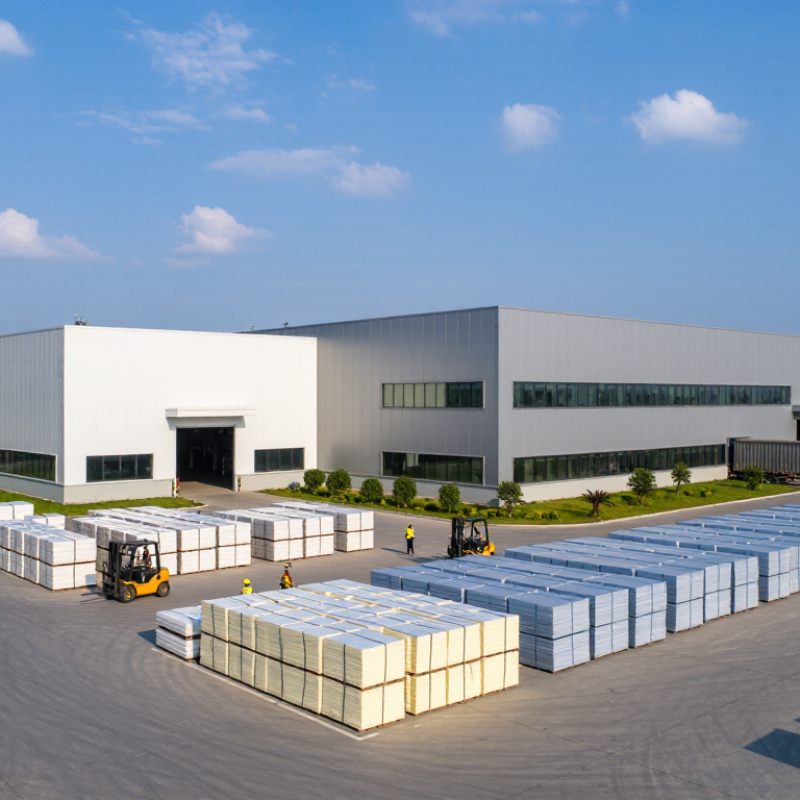
Definition and Role of Polyurethane Insulation Panels in China
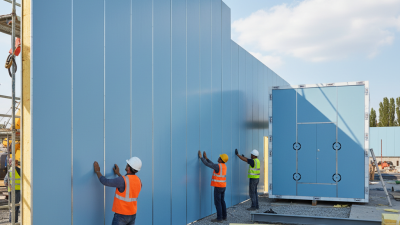
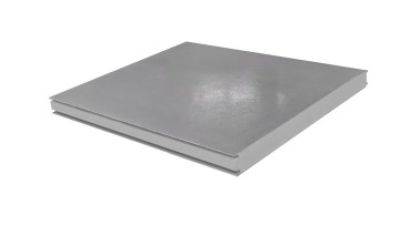
Polyurethane insulation panels are rigid building materials with a high-performance foam core between protective surfaces. In China, they serve cold storage rooms, industrial roofs, walls, and temperature-controlled warehouses. Their main role is reducing heat transfer while keeping structures lighter than many traditional systems. Proper panel thickness, joint design, and surface protection affect actual performance. A strong insulation value on paper means little if installation leaves open seams.
Field inspections often reveal small gaps around doors, corners, and fasteners. These details can increase energy use and create condensation risks. China’s polyurethane panel suppliers commonly provide standard, customized, and OEM Polyurethane Insulation Panel solutions. Buyers should check core density, fire performance, dimensional tolerance, coating quality, and test documentation. Certification alone is not enough. Installation records matter too.
Tips: Request a sample panel before ordering. Measure its thickness at several points. Ask how joints are sealed. Confirm performance under the project’s temperature range. Do not select panels by price alone. A cheaper panel may require more maintenance. Even experienced buyers can overlook drainage and vapor barriers. That mistake is costly. The better approach is practical: compare verified data with factory capability, transport conditions, and installer skill. Insulation works as a system, not as a single product.
Key Criteria for Evaluating Chinese Panel Suppliers
When evaluating a China Polyurethane Insulation Panel supplier, begin with measurable performance, not catalogue claims. The 2024 Global Status Report for Buildings and Construction reports that buildings used 32% of global energy in 2022. Insulation quality therefore affects both operating costs and emissions.
Request independent test reports for thermal conductivity, density, dimensional stability, and panel adhesion. EN 13165 supports assessment of factory-made polyurethane products, while EN 12667 covers thermal resistance testing. Check whether results match the proposed panel thickness. A factory sample should show uniform foam, clean joints, and stable metal surfaces. Small gaps matter.
Audit the production line if possible. Review batch records, calibration dates, incoming material controls, and fire-performance testing under EN 13501-1. Ask for recent results, not old certificates. ISO 9001 registration can support process control, but it does not prove product quality. That distinction is often missed.
Compare warranty terms, replacement procedures, export packaging, and delivery records. The International Energy Agency notes that efficiency improvements require reliable building components, not only better design. A supplier that cannot explain ageing tests deserves caution. No checklist is perfect. A low quote may still look attractive, but hidden variation can become an expensive cold spot.
Top 10 China Polyurethane Insulation Panel Suppliers
Selecting among the Top 10 China Polyurethane Insulation Panel Suppliers requires more than comparing prices. A reliable supplier should provide clear technical data, stable production records, and traceable raw materials. Check panel thickness, core density, thermal conductivity, and dimensional tolerance. Small variations can create visible gaps during installation.
Factory audits offer useful evidence. Observe how panels are foamed, cured, cut, and packed. Ask for recent laboratory reports, fire-performance documentation, and quality-control records. Verify whether testing follows the standards required in your target market. Joint design also matters. Poorly formed edges may allow moisture and air leakage, especially around Cold Rooms and roof connections.
Price is only one part of the decision. A capable supplier should explain lead times, minimum order quantities, packaging methods, and replacement procedures. Samples should be inspected before bulk production. Measure thickness at several points, examine the metal facing, and test the locking connection. Looks convincing.
However, no supplier is perfect. A strong factory may still face seasonal delays, material shortages, or communication gaps. These risks deserve written controls, not casual promises. Request a production sample, approve drawings, and record every agreed specification. A lower quotation can become expensive when panels arrive damaged or require site modifications. Suppliers should be judged by consistent evidence, responsive technical support, and their willingness to discuss limitations openly.
Top 10 China Polyurethane Insulation Panel Suppliers: Core Thickness Benchmark
Indicative thermal-resistance comparison for commonly specified polyurethane insulation panel thicknesses
Thermal resistance is calculated as core thickness divided by a representative polyurethane thermal conductivity of 0.022 W/m·K. The figures exclude surface resistances, joints, fasteners, and installation effects; actual product performance should be verified against the supplier’s technical datasheet and applicable test standards.
Product Types, Core Technologies, and Customization Options
Choosing among the Top 10 China Polyurethane Insulation Panel Suppliers requires more than comparing prices. Product type matters first. PUR panels offer strong insulation, while Pir Panels usually provide better fire performance. Typical thermal conductivity ranges from 0.022 to 0.028 W/m·K. Continuous lamination, controlled foaming, and accurate joint design affect real performance. The IEA reports that buildings consume about 30% of global final energy. Better panel selection can reduce heat loss, especially in cold rooms, warehouses, and controlled-temperature facilities. However, published figures often assume perfect installation. Real projects rarely are.
A reliable Polyurethane Insulation Panel Factory should explain its core technology clearly. Ask about foam density, blowing-agent control, steel or aluminum facings, and dimensional stability. Custom options may include 50–200 mm thicknesses, concealed joints, food-grade surfaces, and reinforced corners.
Independent market reports, including Grand View Research studies, identify construction and refrigeration as major demand areas. That supports market growth, but it does not guarantee every supplier’s quality. Request test reports for thermal conductivity, fire behavior, moisture resistance, and panel adhesion. Small gaps can become expensive energy leaks.
Tips: Compare tested performance, not brochure claims. Inspect a sample edge and locking joint. Confirm tolerances before production. A low price may hide thinner skins or weaker cores. Keep questioning the assumptions.
Quality Standards, Certifications, and Manufacturing Capabilities
Selecting the top 10 China polyurethane insulation panel suppliers requires more than comparing prices. Experienced buyers inspect core density, panel thickness, dimensional tolerance, and bonding quality. A reliable Polyurethane Insulation Panel Exporter should provide traceable batch records, production photographs, and test reports from recognized laboratories.
Quality systems matter during evaluation. ISO 9001 certification can indicate controlled procedures, but it does not replace product testing. For building panels, buyers may review EN 13165 or ASTM C1289 compliance, depending on the destination market. Fire performance should also be verified through applicable classifications, such as EN 13501-1. Ask for thermal conductivity results at stated temperatures. Small testing details can change real performance.
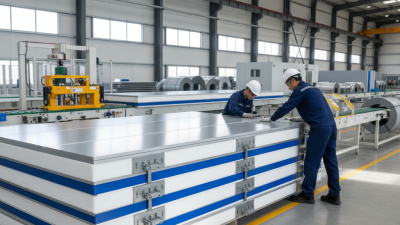
Manufacturing capability is visible on the factory floor. Continuous lamination lines, calibrated cutting equipment, and controlled curing areas support consistent output. Inspectors should check joint fit, surface flatness, protective films, and packaging before shipment. Cold-room panels need careful attention to vapor resistance and locking systems. No factory is flawless. Even strong suppliers may show occasional coating marks or measurement variation. That is why independent inspection, retained samples, and corrective-action records remain valuable. A polished brochure is not enough. Reliable evidence is.
Pricing, Export Services, and Supplier Comparison Factors
Top 10 China Polyurethane Insulation Panel Suppliers
Pricing, export services, and comparison factors deserve careful review when selecting among China’s leading polyurethane insulation panel suppliers. Panel prices usually vary by thickness, core density, steel thickness, surface coating, order volume, and delivery terms. A 50 mm panel may suit internal partitions, while a 100 mm panel offers stronger thermal resistance for cold storage.
Request itemized quotations, not only a low square-meter price. Details decide.
Export experience is equally important. Reliable suppliers should provide commercial invoices, packing lists, certificates of origin, technical data sheets, and suitable shipping documents. Confirm whether the quotation covers EXW, FOB, or CIF delivery. Check container loading plans carefully. Poor packing can damage panel edges during long ocean transport.
Ask for production photographs, sample approvals, and inspection procedures before payment. It matters.
A practical comparison should include fire performance, thermal conductivity, dimensional tolerance, joint design, lead time, and after-sales response. Factory audits and third-party inspections can verify claims, especially for large projects.
I have seen buyers focus too heavily on price and overlook replacement costs caused by warped panels or delayed documents. That mistake is easy to repeat. No supplier is perfect.
Review warranty wording, communication speed, and the supplier’s ability to handle customized lengths. A transparent quotation and consistent technical answers often reveal more than polished advertising. Suppliers should also explain applicable export standards and destination-country requirements without making unsupported compliance promises.
PIR Cold Room Insulation Sandwich Panels: Insights from IIR, FAO, and Global Market Reports
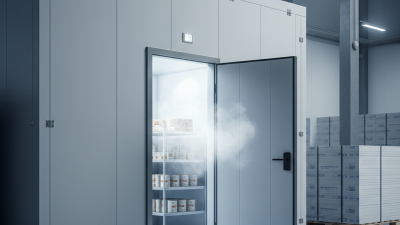
PIR (polyisocyanurate) cold room sandwich panels are increasingly important to the development of efficient, reliable cold-chain infrastructure. The International Institute of Refrigeration (IIR) has reported that refrigeration-related systems account for approximately 15% of global electricity consumption, highlighting the value of reducing heat gain through better building envelopes. In addition, the Food and Agriculture Organization (FAO) estimates that around 14% of food is lost between harvest and retail, with inadequate storage and temperature control contributing significantly to this challenge. PIR panels address these needs through a high-performance foam core that combines thermal insulation, fire resistance, and mechanical strength for cold room walls, ceilings, and floors.
Market analyses published in recent years generally forecast continued growth in cold-chain infrastructure and insulated panel demand, driven by food distribution, pharmaceuticals, and temperature-sensitive manufacturing. Pir Sandwich panels can support this expansion by lowering cooling loads and helping maintain stable internal temperatures over long operating periods, delivering energy savings while preserving structural integrity. A split-joint PIR sandwich panel, paired with a suitable profiled installation system, creates tight and efficient connections that help minimize air leakage and thermal bridging. Its lightweight design also simplifies handling, shortens installation time, and improves construction efficiency for new or upgraded refrigeration facilities.
FAQS
Request panel thickness, core density, thermal conductivity, and dimensional tolerance. Ask for batch records and recent laboratory reports. Small variations can create visible installation gaps.
Review foaming, curing, cutting, and packing processes during a factory audit. Check calibrated equipment, controlled curing areas, and retained samples. A polished brochure is not enough.
Request test reports, fire-performance documents, quality-control records, and traceable production information. Confirm testing matches destination-market requirements. Certification alone does not prove every panel performs consistently.
Measure thickness at several points and examine the metal facing carefully. Test the locking connection and check surface flatness. Looks convincing. Still, measure it.
Inspect edge formation, locking accuracy, and vapor resistance. Poor joints may allow moisture and air leakage around cold rooms or roofs. A narrow gap can become a costly problem.
Compare thickness, core density, steel thickness, coating, order volume, and delivery terms. Request an itemized quotation instead of only a square-meter price. Details decide.
Confirm commercial invoices, packing lists, certificates of origin, technical data sheets, and shipping documents. Clarify whether pricing uses EXW, FOB, or CIF terms. Check the container loading plan.
Approve drawings and production samples before bulk manufacturing. Use independent inspection when project value or risk is high. Record every agreed specification in writing. Promises can fade.
Conclusion
This guide explains the role of Polyurethane Insulation Panel in China’s construction, cold-chain, industrial, and commercial sectors. It outlines how these panels improve thermal efficiency, reduce energy consumption, control moisture, and support faster building installation. Readers will also learn how to evaluate Chinese suppliers by reviewing material quality, production experience, technical capability, delivery reliability, customization support, and after-sales service.
The article presents a practical framework for comparing leading suppliers without focusing on specific brands. It covers common product types, core insulation technologies, surface finishes, dimensions, joint designs, fire-performance options, and customized solutions. It also discusses quality standards, relevant certifications, factory capacity, inspection procedures, export services, packaging, lead times, and pricing factors. By comparing these elements together, buyers can select a suitable supplier based on project requirements, budget, performance expectations, and long-term cooperation potential.