When you're trying to pick the right Copeland Scroll Compressor, it's about more than just looking at horsepower ratings. Things like capacity, refrigerant compatibility, noise levels, oil management, and how the compressor performs under different conditions all come into play. This guide walks you through the top 10 types of Copeland Scroll Compressors and helps you figure out where each one fits best.
The market’s definitely shifting towards higher seasonal efficiency and aiming to cut down environmental impact. According to the International Energy Agency, without stronger efficiency measures, the global energy demand for space cooling could triple—yeah, triple—by 2050. The UN Environment Programme also stresses the need for refrigerants with lower global warming potential. So, choosing the right compressor isn’t just about price or specs anymore—it’s a practical engineering decision that considers the bigger picture. Luckily, Emerson’s Copeland literature offers tons of detailed info on voltage options, displacement ranges, protection systems, and approved refrigerants. Plus, the ASHRAE Handbook gives useful guidance on how to evaluate compressors as part of an entire refrigeration system.
But honestly, real-world installs tell the true story. For example, a supermarket rack might need to run smoothly during those long loading cycles, while a small heat pump might prioritize quiet starts and have a compact size. Scroll compressors tend to give you smooth operation and fewer moving parts, which is great, but they aren’t automatically the best fit for every job. Factors like suction conditions, how the liquid refrigerant returns, how often the compressor cycles, and how well it’s installed all really matter. No single ranking can cover everything perfectly. Some categories overlap, and manufacturers are constantly updating their product lines. So, instead of a simple top-ten list, this article combines technical specs, industry insights, and real-world considerations. You’ll find comparisons covering fixed-speed, variable-speed, digital, tandem, heat-pump, low-temperature models, and other major Copeland scroll options. The goal here’s to help you make a sensible choice—more like a knowledgeable buddy giving advice, rather than just a ranked list of products.
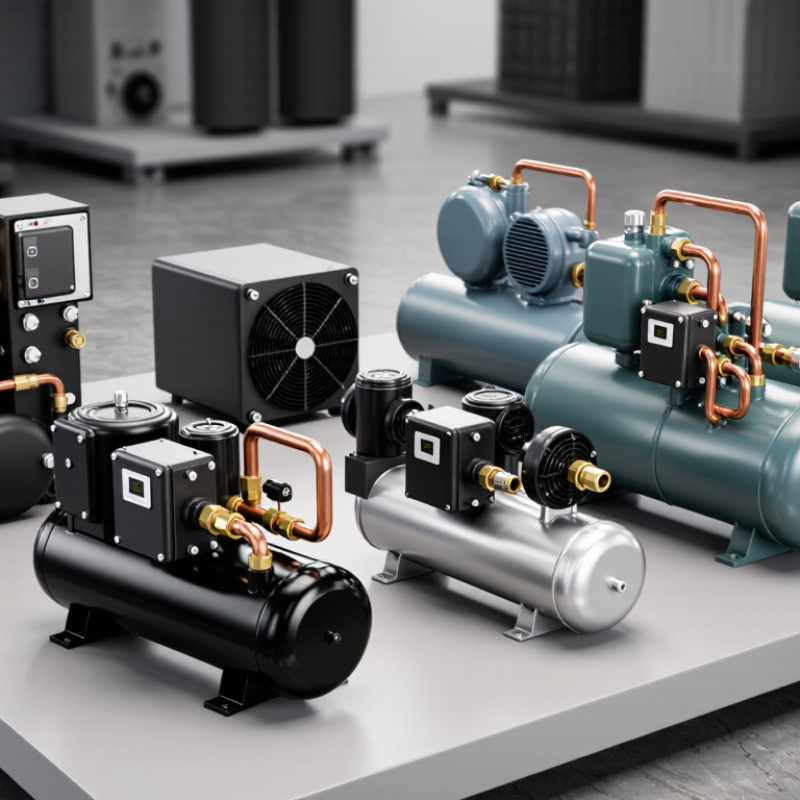
Understanding Copeland Scroll Compressor Technology and Classification
Understanding scroll compressor technology requires more than reading model labels. Classification usually follows drive method, modulation, refrigerant duty, and system arrangement. The ten practical types include fixed-speed, variable-speed, digital-modulated, tandem, parallel, low-temperature, medium-temperature, high-temperature, heat-pump, and oil-free scroll compressors. One unit may fit several categories. That overlap is easy to miss.
A fixed-speed design offers simple control and predictable maintenance. Variable-speed units adjust motor frequency as indoor load changes. Digital modulation uses controlled unloading for closer capacity matching. Tandem and parallel arrangements stage multiple compressors, improving part-load operation and service flexibility. Low-, medium-, and high-temperature versions use different pressure ratios, motor protection, and lubrication strategies. Heat-pump models must manage reversing cycles and discharge temperatures. Oil-free designs can reduce oil migration concerns, though they still demand careful installation.
The International Energy Agency reported 11% global heat-pump sales growth in 2022, showing why efficient compression matters. Its 2022 heat-pump analysis also linked adoption with lower operating emissions in cleaner power systems. Field selection should compare seasonal efficiency, envelope limits, sound levels, and start-up current. Look beyond peak capacity. A compressor sized for the coldest hour may cycle poorly during mild weather. The phrase OEM Copeland Scroll Compfressor appears in many searches, but spelling and naming do not prove technical compatibility. Check certified performance tables and application envelopes. This classification remains useful, yet imperfect. Real systems often expose assumptions that catalog pages hide.
The Ten Main Copeland Scroll Compressor Types at a Glance
The Ten Main Copeland Scroll Compressor Types at a Glance
Copeland scroll compressors are commonly grouped by control, configuration, and application. The ten main types include fixed-speed, variable-speed, digital modulation, tandem, trio, medium-temperature, low-temperature, heat-pump optimized, vapor-injection, and liquid-injection models. These categories can overlap. A variable-speed heat-pump unit may also use vapor injection.
Fixed-speed models suit steady cooling loads and simpler systems. Variable-speed compressors adjust output as room conditions change. Digital modulation supports closer capacity control. Tandem and trio systems stage compressors for larger buildings. Medium-temperature versions serve food displays and process cooling. Low-temperature designs handle freezer conditions. Heat-pump models support reversing cycles. Vapor injection improves heating performance in colder weather. Liquid injection protects against excessive discharge temperatures.
The International Energy Agency reported that global heat-pump sales grew by about 11% in 2022. That growth increases demand for efficient compression and reliable part-load control. The U.S. Department of Energy notes that heat pumps can deliver two to four units of heat for each electricity unit consumed. Field selection still requires care. Refrigerant, oil return, voltage, ambient temperature, and control logic all matter.
For buyers researching China Copeland Scroll Compfressor options, specification sheets deserve close reading. “High efficiency” alone proves little. Check seasonal ratings, sound levels, operating maps, and warranty conditions. Tandem systems may improve redundancy, yet piping errors can damage both compressors. This classification is practical, but not perfectly clean. Real installations often combine several types.
ZP and ZS Scroll Compressors for Refrigeration Applications
What Are the Top 10 Types of Copeland Scroll Compressors?
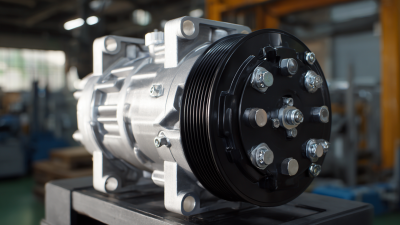
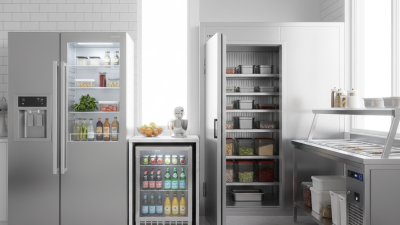
In refrigeration, ZP and ZSscroll compressors deserve close attention. ZP models are commonly selected for stable, efficient cooling duties, while ZS models support medium-temperature applications such as display cases, Cold Rooms, and food-retail systems. Their scroll design uses fewer moving parts than many traditional compressor formats. This can reduce vibration and simplify maintenance. However, application fit matters more than a model label.
The International Energy Agency reports that cooling already represents over 10% of global electricity demand. Its The Future of Cooling report also projects cooling energy demand could more than triple by 2050 without stronger efficiency measures. That pressure makes seasonal efficiency, refrigerant compatibility, sound levels, and part-load performance important selection factors. A High-Quality Copeland Scroll Compfressor should be judged by measured operating data, not marketing language. Check suction temperature, condensing temperature, oil return, and expected cycling frequency. Small errors here can create large energy losses.
Tips: Match ZP or ZS capacity to the actual load, not the nameplate peak. Keep airflow and condenser cleanliness under review. A field log of pressures, temperatures, and electrical current often reveals problems earlier than alarms. Some sizing choices still feel uncertain, especially in changing store conditions. Recheck them after several weeks of operation.
ZR and ZP Scroll Compressors for Air Conditioning Systems
What Are the Top 10 Types of Copeland Scroll Compressors?
ZR and ZP scroll compressors serve different demands in air conditioning systems. ZR models commonly support comfort cooling applications with stable, efficient compression. ZP models often target higher seasonal efficiency and heat pump operation. The exact choice depends on refrigerant, capacity, pressure conditions, and system design.
A technician should check the compressor plate before replacement. It shows voltage, frequency, refrigerant compatibility, and oil requirements. These details prevent mismatched performance. A properly selected Copeland Condensing Unit can maintain steady indoor temperatures while reducing vibration and service interruptions. Scroll technology also limits wear because it uses fewer moving parts than many traditional compressors.
Installation quality remains just as important as model selection. Clean copper lines, correct evacuation, and measured refrigerant charging protect the compressor. Poor airflow can raise discharge temperature, even when the compressor is correctly sized. That detail matters. I have seen systems appear efficient during mild weather, then struggle on a hot afternoon because the condenser was blocked. Engineers should also review start-up current, sound levels, and control compatibility. Product families can change over time, so current technical documentation deserves careful review. One assumption can become an expensive repair.
Top 10 Scroll Compressor Configurations for Air-Conditioning Systems
The chart compares representative nominal cooling-capacity classes commonly used in residential, commercial, heat-pump, and process-cooling applications. Values are indicative engineering ranges rather than ratings for a specific manufacturer or model.
Capacity depends on refrigerant, evaporating and condensing temperatures, compressor speed, and system design. Tandem and multi-compressor arrangements provide higher capacity and improved part-load flexibility.
Digital, Variable-Speed, Two-Stage, and Tandem Scroll Compressors
Digital, variable-speed, two-stage, and tandem scroll compressors deserve attention in any modern compressor guide. Digital models adjust capacity through controlled unloading. They suit systems with changing loads, such as supermarkets and office buildings. Variable-speed models change motor speed through an inverter. This improves part-load efficiency, although electrical harmonics and controls need review. The International Energy Agency’s The Future of Cooling report estimates global space-cooling electricity demand could rise from about 2,020 TWh in 2016 to 6,200 TWh by 2050. Efficiency is no longer a minor specification.
Two-stage scroll compressors divide compression into separate stages. They can support demanding temperature ratios and improve discharge-temperature control. Tandem scroll compressors connect two compressors in parallel. One compressor can operate during light demand, while both operate during peak load. That arrangement offers useful capacity steps and partial redundancy. The U.S. Department of Energy’s 2022 Commercial Buildings Energy Consumption Survey reports that cooling serves about 40% of U.S. commercial building floor area. Real operating conditions matter more than catalog efficiency.
The broader ten-type category also includes fixed-speed, inverter, low-temperature, high-temperature, heat-pump, and oil-free scroll designs. The boundary is not always clean. A variable-speed compressor may also serve a heat-pump system. Digital control can be paired with tandem operation. Selection should examine refrigerant compatibility, oil return, sound levels, cycling frequency, and service access. A common mistake is choosing the highest rated efficiency without studying low-load hours. That decision can look excellent on paper, yet perform poorly in a lightly occupied building.
How to Select the Right Copeland Scroll Compressor Type
Selecting the right scroll compressor type starts with the application, not the catalog label. The ten common configurations may include fixed-speed, variable-speed, digital modulation, tandem, and vapor-injection designs. Refrigeration duty also matters, such as low-temperature, medium-temperature, and high-temperature service. Check the required cooling capacity at the actual evaporating and condensing conditions. A unit rated at 7.5 kW may deliver much less capacity in a hot mechanical room.
Measure the operating load across a normal day. Variable-speed models suit systems with frequent demand changes, while fixed-speed models can be practical for stable loads. Tandem arrangements provide staged capacity and improved redundancy. Vapor injection can support demanding low-temperature applications, but it requires correct piping, controls, and refrigerant compatibility. Never select by horsepower alone. Voltage, phase, oil management, sound limits, and available space deserve equal attention. Small details matter.
Field experience shows that poor return-gas design can damage an otherwise suitable compressor. I once focused too heavily on rated capacity and underestimated startup conditions. That assumption was wrong. Review the compressor map, minimum and maximum operating limits, protection settings, and service access. Ask whether technicians can replace filters, inspect wiring, and recover refrigerant safely. Energy efficiency is useful, but seasonal performance often matters more than one laboratory rating. Verify the data with operating measurements, and leave a sensible margin without oversizing the compressor. Oversizing can cause short cycling, unstable temperatures, and unnecessary wear.
Choosing China Compressor Suppliers for Cold Storage: Piston, Screw, and Scroll Solutions at Factory Direct Prices
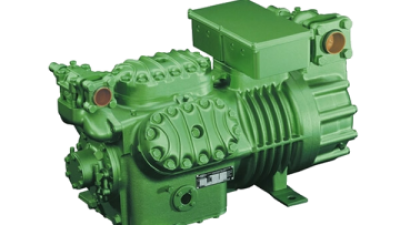
Choosing the right compressor is essential when building or upgrading a cold storage system. China-based suppliers offer piston, screw, and scroll solutions for different cooling loads and operating conditions. Piston compressors can suit smaller installations and applications with changing demand, while screw compressors are often selected for larger facilities that require steady, high-capacity operation. Scroll compressors provide a compact option for suitable low- to medium-capacity systems. Each type compresses refrigerant to support the heat-transfer cycle that keeps stored goods at the required temperature.
Buying factory direct can make it easier to discuss system requirements with the manufacturer and compare suitable configurations and prices. Before selecting a unit, consider the storage-room size, target temperature, expected operating hours, refrigerant compatibility, and maintenance needs. A reliable supplier can help match compressor capacity and design to the refrigeration equipment, supporting efficient, stable operation across commercial and industrial cold storage applications. Clear product specifications and responsive technical guidance also help buyers evaluate options and plan installation with confidence.
Conclusion
Copeland Scroll Compfressor technology covers a range of designs suited to different heating and cooling needs. The main types can be understood by their application and operating method: refrigeration models support cooling systems, while air-conditioning models are designed for comfort cooling. Heat-pump and high-temperature heating models provide solutions for transferring heat across a wider range of operating conditions. These categories help explain how scroll compressors are adapted to different system requirements.
Beyond application-specific designs, digital, variable-speed, two-stage, and tandem configurations offer different ways to manage capacity and performance. Choosing the right type involves considering the system’s purpose, required output, operating conditions, efficiency goals, and compatibility with other components. Understanding these distinctions makes it easier to compare compressor options and select a design that fits the intended installation.