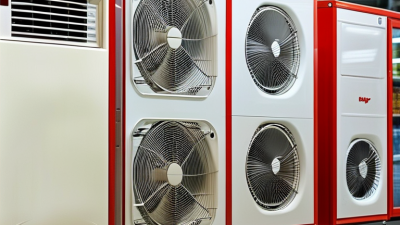
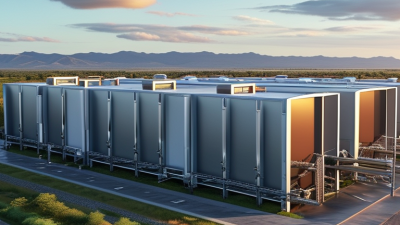
You’ve probably seen commercial condensing units sitting behind a lot of the everyday cold-chain stuff we rely on—think supermarket display cases or those walk-in freezers at restaurants. Basically, they’re this all-in-one system with a Compressor, condenser, controls, and protective parts working together. They really prove their worth, especially during those hot summer days when a steady temperature means the difference between fresh food and spoiled stock—and ultimately, your bottom line.
Now, here’s the thing: industry data actually highlights why it’s so important to compare these units carefully. According to the International Energy Agency, if we don’t boost efficiency, global cooling demand could more than triple by 2050. Both UNEP and the International Institute of Refrigeration point out that switching refrigerants and improving energy performance are top priorities in their latest 2023 cooling assessment. So, when you’re choosing equipment, factors like efficiency, low-emission refrigerants, easy service access, and reliability should be just as important as price. Sometimes that cheaper unit might seem a good deal upfront, but if a fan motor goes out in a remote warehouse—well, that’s when the costs really add up.
In this guide, we’ll take a look at some of the top manufacturers of Commercial Condensing Units worldwide—names like Copeland, Danfoss, BITZER, GEA, Tecumseh, and Emerson. Their products vary pretty widely in terms of compressor tech, how they handle controls, refrigerant compatibility, noise levels, and how well they perform in different climates. While their brochures offer useful info, don’t forget that independent tests and real-world experience are just as crucial. No single ranking is perfect either. Market reports might use different definitions, focus on different regions, or look at different forecast periods. So, always double-check the capacity data for your specific conditions—not just compare catalog numbers. And remember: the best manufacturer for one project might not be the ideal choice for another. For example, a small grocery shop might want something quiet and easy to maintain, whereas a big distribution center might need redundancy, remote monitoring, and seasonal efficiency.
All in all, choosing the right condensing unit comes down to understanding your needs and keeping an eye on the bigger picture—especially energy efficiency and reliability.
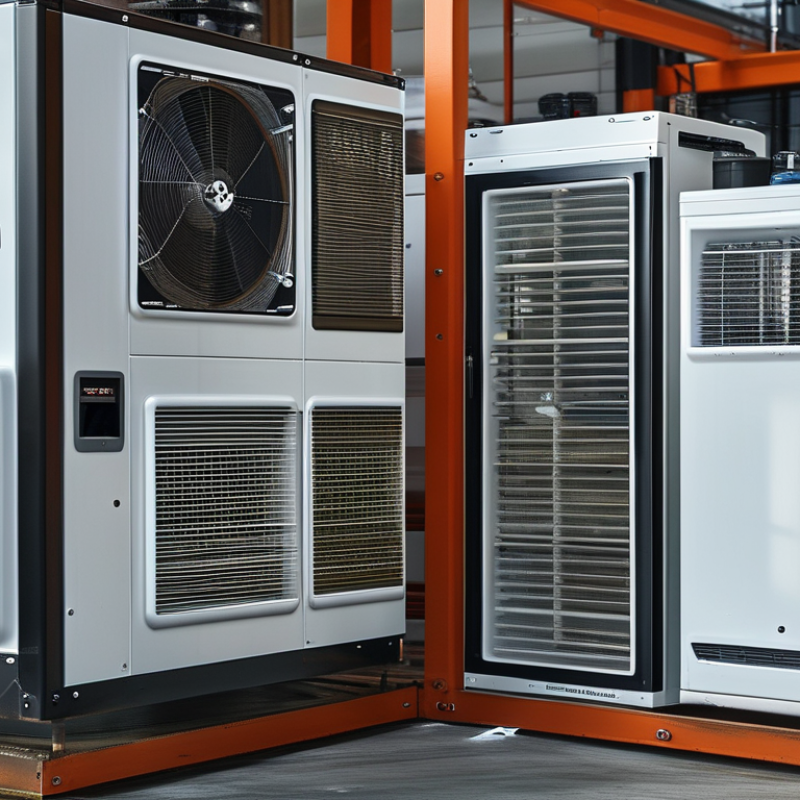
A commercial condensing unit is the outdoor heart of a refrigeration system. It removes heat from the refrigerant and rejects that heat into the surrounding air. Inside, the compressor raises the refrigerant’s pressure and temperature. The hot gas then travels through the condenser coil, where fans move air across copper tubes and aluminum fins. As the refrigerant cools, it changes into a high-pressure liquid.
The liquid passes through a receiver and expansion device before reaching the evaporator. Pressure drops there. The refrigerant absorbs heat from a freezer, display case, or Cold Room, then returns as vapor to the compressor. This cycle repeats continuously. A clear sight glass, stable suction pressure, and clean condenser fins often reveal whether the system is operating correctly. Small details matter.
In field inspections, I have seen dust-covered coils raise head pressure and increase energy use. Poor airflow can create similar symptoms. An OEM Commercial Condensing Unit may suit a custom system, but capacity must match the evaporator, refrigerant, ambient temperature, and operating load. Bigger is not always better. Oversizing can cause short cycling and uneven cooling. Installation quality also affects reliability, including pipe length, oil return, electrical protection, and controller settings. A specification may look complete, yet real site conditions can expose gaps. Technicians should verify performance under actual load, not only during a brief startup test.
Leading commercial condensing units are defined by measurable efficiency, stable temperature control, and practical service access. Energy performance matters because commercial refrigeration can consume 40–60% of a supermarket’s electricity, according to ENERGY STAR guidance. The IEA’s The Future of Cooling report projects global cooling demand could more than triple by 2050. That pressure makes high-efficiency compressors, variable-speed condenser fans, and accurate electronic controls increasingly important. A clean laboratory rating can disappoint in a dusty loading dock.
Reliable units also manage heat, oil, vibration, and refrigerant flow under changing loads. Microchannel coils can reduce refrigerant volume, while smart controls help prevent unnecessary compressor cycling. The 2022 UNEP Assessment Report under the Montreal Protocol states that stronger HFC reductions could avoid up to 0.4°C of warming by 2100. Therefore, low-GWP refrigerant compatibility is becoming a practical purchasing requirement, not just an environmental preference. Safety still depends on correct installation and trained technicians.
Small details decide performance.
Useful features include accessible service ports, fault-code displays, leak detection, and corrosion-resistant cabinets. Noise levels matter near shops, hotels, and residential buildings. Condensation management matters too. A unit may be technically advanced but difficult to maintain, which weakens its real value. Field conditions remain unpredictable, and published efficiency figures cannot capture every failure, blocked coil, or rushed maintenance visit.
Choosing commercial condensing unit manufacturers requires more than comparing prices and cooling capacity. Examine their engineering experience, production controls, and field performance. Ask for selection data under your actual ambient temperature, refrigerant, load profile, and voltage. A reliable manufacturer should explain compressor protection, oil management, noise levels, and defrost behavior clearly.
Inspect factory quality procedures when possible. Check pressure testing, electrical testing, leak detection, and traceability for major components. Request verified project references from similar climates and operating hours. Service capability matters too. Confirm spare-parts availability, response times, technician training, and warranty conditions. A low purchase price may become expensive after one failed controller or delayed compressor.
Tips: Compare complete lifecycle costs, not quotations alone. Read the exclusions carefully. Ask for test reports, maintenance schedules, and energy data. Review the installation manual before signing. A polished brochure can still hide weak support. I have seen technically strong units perform poorly because airflow clearance was ignored. That reflects the manufacturer, installer, and evaluation process. Leave room for doubt, and verify claims through documents, site visits, and independent engineering review. Manufacturers that welcome difficult questions often provide more dependable long-term cooperation. Yet even a respected supplier deserves regular performance checks after commissioning.
Top Commercial Condensing Unit Manufacturers Worldwide
Major global manufacturers compete through efficiency, reliability, and application-specific engineering. North American producers often emphasize rugged systems for supermarkets, cold storage, and food distribution. European manufacturers commonly focus on low-noise operation, compact layouts, and strict energy performance. Asian suppliers offer flexible configurations, responsive production, and competitive lifecycle costs. A China Commercial Condensing Unit may suit projects requiring customized voltage, refrigerant options, or space-saving designs.
Product strength depends on more than cooling capacity. Engineers should examine compressor compatibility, condenser materials, control accuracy, oil management, and service access. Some manufacturers provide advanced monitoring systems that identify pressure changes before failures occur. Others prioritize simple designs that local technicians can repair quickly. That difference matters in remote facilities. No supplier is perfect. A highly efficient unit may require specialized maintenance, while a simpler model may consume more power during seasonal peaks.
Tips: Match the unit to the actual evaporating temperature, ambient climate, and expected load. Check sound levels near offices or residential areas. Ask for verified performance data, spare-parts availability, and commissioning support. Inspect the wiring cabinet and refrigerant connections before acceptance. Small installation errors can create large energy losses. Reflect on the full operating period, not only the purchase price.
Commercial condensing unit manufacturers commonly support multiple refrigerant platforms to address efficiency, temperature range, regulatory, and sustainability requirements. The chart compares 100-year global warming potential values using the IPCC AR4 reference scale, where CO₂ equals 1. Lower-GWP options such as R290 and CO₂ support lower-emission system designs, while established HFC and HFO-blend refrigerants remain widely used across retrofit and traditional applications.
Choosing a Commercial Condensing Unit Factory requires more than comparing catalog capacity. Industry standards provide the first practical filter. Manufacturers should document refrigerant compatibility, pressure limits, electrical protection, and tested operating conditions. Ask for test reports, not rounded claims. Ratings such as COP, EER, and SEPR matter only when test conditions are clearly stated. That detail matters.
Efficiency can change sharply with ambient temperature, suction pressure, defrost cycles, and part-load operation. A unit rated well in a laboratory may perform differently beside a hot loading dock. Variable-speed compressors and electronically commutated fans can reduce cycling losses. However, controls must be commissioned correctly. Field inspections often find incorrect sensor placement, dirty coils, or unstable superheat settings. Small errors matter.
Safety requirements cover more than emergency shutoff switches. Design reviews should address pressure relief, refrigerant charge, leak detection, guarding, grounding, and service access. Applicable requirements may include ASHRAE 15, EN 378, IEC standards, and local electrical codes, depending on the installation. Technicians also need clear lockout procedures and readable wiring diagrams. Good documentation prevents hurried decisions. Still, no checklist replaces a site-specific risk assessment, especially where ventilation is limited or refrigerant concentration could increase.
International benchmark data for commercial condensing-unit design and selection. No company or brand information is included; performance values must be compared only at identical rating conditions.
| Equipment Category | Typical Commercial Application | Common Refrigerant Options | ASHRAE 34 Safety Class | 100-Year GWP Reference | Primary Efficiency Metric | Relevant Industry Standards | Key Safety Requirements |
|---|---|---|---|---|---|---|---|
| Medium-Temperature Air-Cooled Unit | Reach-in coolers, small supermarkets, food-service refrigeration, and beverage displays; commonly designed around an evaporating temperature of approximately −10°C to +5°C. | R-448A, R-449A, R-134a, R-513A, and lower-GWP alternatives where permitted. | A1 for nonflammable refrigerants; A2L for mildly flammable alternatives. | Examples: R-134a: 1,430; R-448A: 1,273; R-449A: 1,397; R-513A: 573. Values shown use 100-year AR4 GWP references. | COP = Net refrigeration capacity ÷ Compressor power input. Also compare EER or seasonal efficiency at declared rating conditions. | AHRI 365 for positive-displacement condensing units; ASHRAE 15; ASHRAE 34; ISO 5149; EN 378 where applicable. | High-pressure cut-out, low-pressure protection, correctly sized relief devices, electrical grounding, fan guards, and service-access isolation. |
| Low-Temperature Air-Cooled Unit | Frozen-food cases, ice makers, cold rooms, and freezer applications; commonly designed around an evaporating temperature of approximately −40°C to −20°C. | R-449A, R-448A, R-452A, R-404A in legacy installations, and natural-refrigerant alternatives. | A1 for nonflammable blends; A2L or A3 for selected lower-GWP alternatives. | Examples: R-452A: 2,141; R-404A: 3,922; R-449A: 1,397. GWP values can differ by regulatory reference database. | COP at the specified evaporating and condensing temperatures, plus compressor isentropic efficiency and defrost-energy impact. | AHRI 365; ISO 5149; EN 378; ASHRAE 15; local pressure-equipment and electrical regulations. | Discharge-temperature control, crankcase heating where required, liquid-line protection, pressure relief, defrost controls, and adequate ventilation. |
| Water-Cooled Condensing Unit | Commercial refrigeration rooms, dense urban installations, and facilities with available cooling-water circuits or cooling towers. | R-134a, R-513A, R-448A, R-449A, R-744, and other approved refrigerants. | Determined by the selected refrigerant; A1, A2L, or A3 systems require different installation controls. | Depends on refrigerant. R-744 has a GWP of 1; R-513A is approximately 573; R-134a is 1,430 under AR4 references. | COP including condenser-water-pump energy; evaluate performance at specified entering-water temperature and flow rate. | AHRI 365; ASHRAE 15; ASHRAE 90.1 for applicable commercial-building efficiency provisions; ISO 5149. | Water-flow proving, freeze protection, corrosion control, water-side pressure protection, refrigerant leak detection where required, and service isolation. |
| Variable-Speed Condensing Unit | Facilities with fluctuating loads, cold-chain distribution centers, supermarkets, and applications requiring tighter temperature control. | R-448A, R-449A, R-134a, R-513A, R-744, and approved A2L or A3 alternatives. | Refrigerant-dependent; the compressor drive does not change the refrigerant safety classification. | Selected refrigerant determines GWP. Lower-GWP options can reduce regulatory exposure but may require additional safety controls. | Seasonal COP, integrated part-load value, minimum modulation capacity, and annual energy consumption are more informative than full-load COP alone. | AHRI 365; IEC 60335-1; applicable compressor, motor-drive, EMC, and local electrical standards. | Drive over-current protection, motor thermal protection, minimum oil-return speed, restart logic, EMC compliance, and pressure-control safeguards. |
| Carbon Dioxide Transcritical Unit | Supermarkets, distribution centers, and commercial systems using centralized or distributed CO₂ refrigeration architecture. | R-744 carbon dioxide. | A1: lower toxicity and nonflammable under ASHRAE 34 classification. | GWP = 1 under the commonly used 100-year reference basis. | System COP, gas-cooler outlet temperature, ejector or parallel-compression savings, and annual energy use; transcritical operation can be climate-sensitive. | ISO 5149; EN 378; ASHRAE 15; applicable pressure-equipment directives and national regulations. | Very high design pressures, dedicated pressure-relief paths, high-pressure control, gas detection where required, mechanical ventilation, and restricted access to equipment rooms. |
| Hydrocarbon Condensing Unit | Compact commercial refrigeration, plug-in cabinets, small cold rooms, and systems designed for low refrigerant charge. | R-290 propane and R-600a isobutane. | A3: lower toxicity and higher flammability. | R-290: approximately 3; R-600a: approximately 3, based on commonly used 100-year reference values. | COP, refrigerant charge, annual energy consumption, and cabinet/system efficiency under the applicable product standard. | IEC 60335-2-89 for commercial refrigerating appliances; ISO 5149; EN 378 where applicable; local flammable-refrigerant rules. | Charge limits, ignition-source control, sealed electrical components, leak prevention, ventilation, warning labels, and trained servicing personnel. |
| A2L Refrigerant Condensing Unit | Commercial refrigeration applications transitioning from high-GWP HFCs to mildly flammable refrigerants. | R-32, R-454A, R-454C, R-455A, and other approved A2L refrigerants, depending on system design and jurisdiction. | A2L: lower toxicity and lower flammability. | GWP varies by refrigerant. R-454C is approximately 148 and R-455A approximately 146 under commonly cited 100-year values. | COP or EER at the declared rating point, seasonal energy efficiency, charge size, and leak-rate performance. | ASHRAE 15; ASHRAE 34; ISO 5149; EN 378; IEC 60335 product standards where applicable. | Refrigerant detection where required, airflow and ventilation provisions, ignition-source assessment, charge limits, and approved service procedures. |
| Hermetic or Semi-Hermetic Compressor Package | Small to medium commercial refrigeration systems where compactness, serviceability, and standardized compressor protection are important. | Selection depends on application: HFC, HFO blend, CO₂, hydrocarbon, or other approved refrigerant. | Determined by the refrigerant and charge quantity. | Must be reported for the actual refrigerant; avoid comparing GWP values from different reference assessment methods without disclosure. | Compressor COP, displacement, motor efficiency, oil-return performance, start characteristics, and rated capacity at declared conditions. | ISO 5149; ASHRAE 15; applicable compressor performance and electrical safety standards; AHRI 365 for condensing-unit rating. | Internal motor protection, pressure controls, oil management, vibration control, electrical insulation, grounding, and relief-device sizing. |
| Remote Condensing Unit for Cold Rooms | Walk-in coolers, walk-in freezers, food processing rooms, pharmacies, and temperature-controlled logistics facilities. | R-448A, R-449A, R-134a, R-513A, R-744, R-290, or other jurisdictionally approved refrigerants. | Application-specific; installation requirements become more restrictive for A2L and A3 refrigerants. | Report refrigerant type, charge, and GWP separately. GWP alone does not determine total climate impact; leakage and energy use also matter. | Annual energy consumption, pull-down time, temperature stability, COP at design conditions, and fan power. | AHRI 365; ASHRAE 90.1 where applicable; ASHRAE 15; ISO 5149; EN 378; local cold-room construction requirements. | Room-level leak detection where required, emergency ventilation, door and alarm controls, pressure relief, safe penetrations, and documented commissioning. |
| Heat-Reclaim-Ready Condensing Unit | Retail stores, food-service facilities, and industrial sites that can recover discharge heat for hot water, space heating, or process loads. | Refrigerant-dependent; commonly selected from approved HFC, HFO-blend, CO₂, or natural-refrigerant options. | Determined by the actual refrigerant used. | Climate impact should include refrigerant GWP, leakage rate, energy consumption, and recovered-useful-heat fraction. | Total system efficiency = useful refrigeration plus useful recovered heat divided by total electrical input. | ASHRAE 90.1 where applicable; AHRI 365; ASHRAE 15; ISO 5149; local hot-water and pressure-equipment standards. | Independent temperature and pressure controls, non-return valves, heat-exchanger protection, scald protection, and safe separation between refrigerant and water circuits. |
| Baseline Compliance and Selection Checklist | Applicable to commercial condensing units regardless of compressor type, refrigerant, or cooling method. | Use only refrigerants permitted by the target market, application, charge limit, and equipment safety certification. | Confirm the classification under the current edition of ASHRAE 34 or ISO 817. | Record the GWP assessment method, refrigerant charge, expected leakage, and end-of-life recovery plan. | Compare capacity, COP/EER, seasonal efficiency, sound power, standby power, serviceability, and lifecycle cost at equivalent conditions. | AHRI 365; ASHRAE 15; ASHRAE 34; ISO 5149; EN 378; applicable IEC, electrical, pressure-equipment, and energy-labeling rules. | Verify pressure ratings, relief protection, electrical safety, leak testing, evacuation, commissioning records, labeling, operator training, and emergency procedures. |
Commercial condensing units support three demanding environments: retail aisles, foodservice kitchens, and industrial refrigeration rooms. Each setting needs a different balance of capacity, noise, access, and temperature control. In supermarkets, technicians often install units near loading areas, where dust and door openings increase condenser stress. Foodservice sites face tighter spaces, grease, heat, and frequent cleaning. Industrial facilities usually prioritize redundancy, stable suction pressure, and continuous operation.
The scale is significant. The FAO reported that 14% of global food is lost between harvest and retail, with inadequate storage and transportation contributing to waste. Reliable refrigeration cannot solve every loss, but it can protect temperature-sensitive inventory. The UNEP 2023 Cooling Emissions and Policy Synthesis Report also projects cooling demand could more than triple by 2050. That pressure favors higher-efficiency compressors, electronic controls, heat recovery, and lower-impact refrigerants.
A Commercial Condensing Unit Exporter should provide more than catalog capacity. Selection must consider ambient temperature, refrigerant compatibility, defrost cycles, sound limits, voltage, and local service skills. Field experience matters. A unit that performs well in a test room may struggle beside a hot kitchen exhaust. I have seen maintenance plans overlook coil access. That small error becomes expensive. Engineers should verify airflow, oil return, controller settings, and commissioning records before handover. Mistakes still happen. Good documentation makes them visible sooner.
It should provide measurable efficiency, stable temperature control, and convenient service access. High-efficiency compressors can reduce energy waste. Performance still depends on installation conditions.
Refrigeration may consume 40–60% of a supermarket’s electricity. Efficient compressors, variable-speed fans, and accurate controls can lower operating costs. Actual savings vary.
The unit should manage heat, oil, vibration, and refrigerant flow under different loads. Smart controls can reduce unnecessary compressor cycling. A dusty loading dock may reduce laboratory performance.
Refrigerant compatibility affects future operating costs and environmental performance. It is becoming a practical purchasing requirement. Correct installation remains essential.
Useful features include accessible service ports, fault-code displays, leak detection, and corrosion-resistant cabinets. Clear access can shorten maintenance visits. Small details matter.
Ask for performance data using your actual ambient temperature, refrigerant, load profile, and voltage. Review compressor protection, oil management, noise levels, and defrost behavior. Do not compare prices alone.
Request evidence of pressure testing, electrical testing, leak detection, and component traceability. Verified references from similar climates can reveal practical performance. Documents are useful, but site visits are better.
Compare purchase price, energy use, spare parts, maintenance, response times, and warranty conditions. A delayed controller or compressor can make a cheap unit expensive. The brochure may hide exclusions.
Poor airflow clearance can weaken cooling, even when the unit is technically strong. Blocked coils, rushed maintenance, and incorrect controls also create problems. The evaluation may be wrong.
Yes. Record temperatures, energy use, noise, alarms, and maintenance activity during normal operation. Review these results regularly. Trust, but verify.
A Commercial Condensing Unit is a core component of a refrigeration system, designed to remove heat from refrigerated spaces by compressing and condensing refrigerant. It typically includes a compressor, condenser, fan, controls, and protective devices that work together to maintain stable temperatures and reliable operation. Leading units are distinguished by energy efficiency, durable construction, low noise, precise temperature control, easy maintenance, and compatibility with different refrigerants and system configurations.
When evaluating Commercial Condensing Unit manufacturers, buyers should consider engineering expertise, product quality, testing procedures, after-sales support, customization options, and long-term operating costs. Global suppliers serve a wide range of applications, including supermarkets, convenience stores, restaurants, food-processing facilities, cold storage, and industrial refrigeration. Compliance with industry standards, efficiency ratings, electrical safety requirements, pressure regulations, and environmental guidelines is essential. Selecting the right unit requires balancing capacity, climate conditions, installation needs, serviceability, and total lifecycle value.